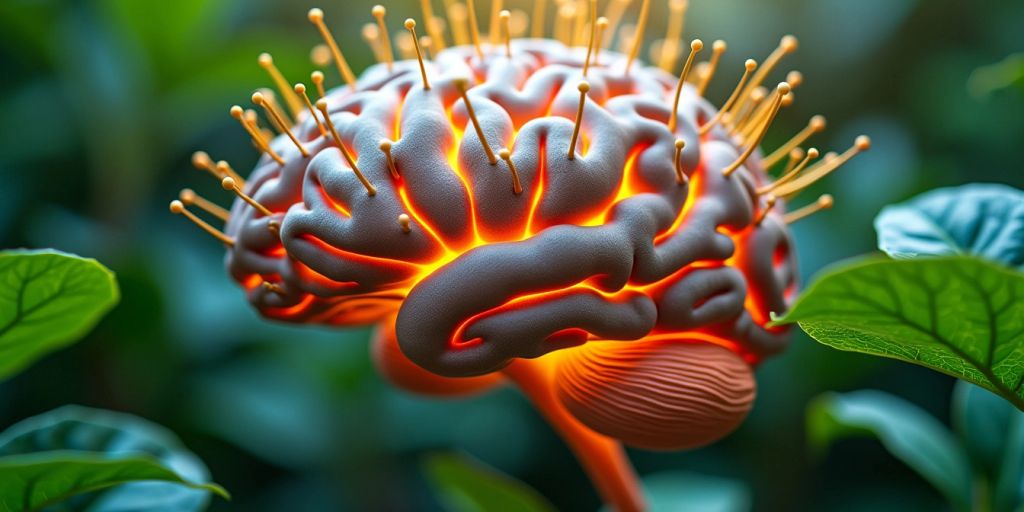
Have you ever thought about how you can change your brain to feel happier? The good news is that you can! By using some simple techniques and understanding how your brain works, you can train it to focus on positive things. This article, rewiring the Brain, will explore the science behind this process and provide practical tips to help you on your journey to greater happiness.
Key Takeaways
- Your brain can change based on your thoughts and actions.
- Practicing gratitude can boost your happiness levels.
- Mindfulness helps you focus on the present and reduce stress.
- Building strong social connections is key to mental well-being.
- Creating positive habits takes practice but is achievable.
Understanding Self-Directed Neuroplasticity

What is Neuroplasticity?
Neuroplasticity is the brain’s ability to change and adapt throughout our lives. This means our brains can form new connections based on our experiences and actions. It’s like a muscle that gets stronger with use. When we focus on positive thoughts and actions, we can actually reshape our brain’s pathways.
The Science Behind Self-Directed Neuroplasticity
Self-directed neuroplasticity allows us to take control of our brain’s rewiring. By intentionally focusing on positive experiences, we can create new neural pathways. This process can help us overcome negative habits and thoughts. Here are some key points:
- Focus on positive experiences to encourage new connections.
- Practice mindfulness to become aware of your thoughts.
- Repetition is key; the more you practice, the stronger the connections become.
Benefits of Self-Directed Neuroplasticity
The benefits of self-directed neuroplasticity are numerous. It can lead to:
- Improved mental health and well-being.
- Greater resilience against stress.
- Enhanced ability to learn new skills.
By understanding and applying self-directed neuroplasticity, we can actively shape our thoughts and emotions for a healthier, happier life.
Practical Strategies for Rewiring Your Brain
Gratitude Practices
Practicing gratitude can significantly change your brain. Keeping a gratitude journal is a simple yet effective way to start. Here are some ways to practice gratitude:
- Write down three things you are thankful for each day.
- Share your gratitude with friends or family.
- Reflect on positive experiences before going to bed.
Mindfulness and Meditation
Mindfulness helps you focus on the present moment. This can help break negative thought patterns. Here are some tips:
- Set aside a few minutes each day for meditation.
- Focus on your breath and let go of distractions.
- Notice your thoughts without judgment.
Positive Thinking Techniques
Changing your thoughts can change your feelings. Here are some techniques:
- Challenge negative thoughts by asking if they are true.
- Replace negative thoughts with positive affirmations.
- Visualize positive outcomes in your life.
Remember, rewiring your brain for happiness takes time and practice. Consistency is key to making lasting changes!
The Role of Relationships in Brain Health
Importance of Social Connections
Having strong social connections is crucial for our overall well-being. Research shows that people with close relationships tend to be happier and healthier. Here are some key points about the importance of social ties:
- Emotional Support: Friends and family provide comfort during tough times.
- Shared Experiences: Engaging in activities with others can boost happiness.
- Longevity: Studies suggest that strong relationships can lead to a longer life.
How Relationships Affect Brain Chemistry
Our relationships can influence our brain chemistry in significant ways. Positive interactions can lead to the release of hormones like oxytocin, which promotes feelings of happiness and reduces stress. Here’s how:
- Oxytocin Release: Often called the “love hormone,” it helps strengthen bonds.
- Reduced Stress Hormones: Good relationships can lower cortisol levels, which helps in managing stress.
- Enhanced Brain Function: Engaging socially can improve cognitive functions and memory.
Building and Maintaining Healthy Relationships
Creating and keeping strong relationships takes effort. Here are some tips to help:
- Communicate Openly: Share your thoughts and feelings with others.
- Be Present: Spend quality time with loved ones without distractions.
- Show Appreciation: Regularly express gratitude to those you care about.
Building strong relationships is not just about being around people; it’s about creating meaningful connections that enrich our lives and support our mental health.
In summary, relationships play a vital role in our brain health. They not only provide emotional support but also positively influence our brain chemistry, leading to a happier and healthier life. Recent studies even show that romantic couples exhibit greater synchronization in both behaviour and brain activity compared to close friends, highlighting the unique bond that relationships can create.
Using Music for Mental Health

Therapeutic Benefits of Music
Music can be a powerful tool for improving mental health. Listening to music can help reduce stress and anxiety. It has a calming effect on our brains, which in turn reduces cortisol—a stress-related hormone that impacts a wide variety of responses such as inflammation. Here are some benefits of music therapy:
- Lowers anxiety levels
- Improves mood
- Enhances sleep quality
How Music Affects Brain Function
Research shows that music activates many areas of the brain. It can help strengthen connections related to well-being and happiness. For example, different sound frequencies can:
- Lower heart rate and improve relaxation.
- Stimulate language centres, enhancing communication skills.
- Boost motivation and focus.
Incorporating Music into Daily Life
To make the most of music for mental health, consider these simple steps:
- Create a playlist of your favourite calming songs.
- Set aside time each day to listen to music.
- Explore different genres to find what resonates with you.
Music has the power to inspire and connect us, making it a valuable resource for mental well-being. By integrating music into our daily routines, we can foster a sense of calm and joy in our lives.
Overcoming the Brain’s Negativity Bias

Understanding Negativity Bias
The brain has a natural tendency to focus on negative experiences more than positive ones. This is known as negativity bias. It can influence how we feel, think, and act, adversely affecting our psychological state. So how can we overcome it?
Techniques to Counteract Negativity Bias
Here are some effective strategies to help you counteract this bias:
- Practice Gratitude: Write down three things you are grateful for each day.
- Challenge Negative Thoughts: When a negative thought arises, ask yourself if it’s really true.
- Focus on Positive Experiences: Make a conscious effort to notice and savour positive moments.
Building Positive Neural Connections
To create a happier mindset, it’s essential to build positive neural connections. Here’s how:
- Repetition: The more you practice positive thinking, the stronger those connections become.
- Mindfulness: Stay present and aware of your thoughts, allowing you to redirect negative ones.
- Engage in Positive Activities: Spend time doing things that make you happy, like hobbies or socializing.
By understanding and actively working against negativity bias, you can reshape your brain and enhance your overall well-being. This process takes time and effort, but the rewards are worth it!
Creating and Sustaining Positive Habits
The Psychology of Habit Formation
Habits are formed through a three-part loop: cue, routine, and reward. Understanding this loop can help you create positive habits:
- Cue: This is a trigger that prompts you to act. For example, an alarm clock can signal you to wake up.
- Routine: This is the behaviour you perform in response to the cue. Pressing the snooze button is a common routine.
- Reward: This is the benefit you gain from the routine, like feeling more rested after sleeping in.
Steps to Build Positive Habits
To successfully build positive habits, follow these steps:
- Identify your cues: Recognize what triggers your current habits.
- Replace routines: Swap out negative routines with positive ones. For instance, instead of reaching for junk food, choose a healthy snack.
- Celebrate rewards: Acknowledge your achievements, no matter how small, to reinforce the new habit.
Tools and Resources for Habit Change
Here are some helpful tools to assist in your habit change journey:
- Habit tracking apps: Use apps to monitor your progress and stay motivated.
- Journals: Write down your thoughts and feelings to reflect on your journey.
- Support groups: Join communities that share similar goals for encouragement.
Remember: Consistency is key. The more you practice a new habit, the stronger the neural connections become, making it easier to maintain.
Conclusion
Creating and sustaining positive habits is a journey that requires patience and effort. By understanding the habit loop and using effective strategies, you can transform your life and enhance your well-being. Explore 50 examples of good habits to enhance productivity, health, and success. Transform your life with tips for lasting routines.
Exercises and Programs for Rewiring the Brain
Brain Training Exercises
Brain training exercises are activities designed to improve cognitive functions. Here are some effective exercises:
- Memory Games: Play games that challenge your memory, like matching cards or puzzles.
- Limbic System Retraining: These exercises aim to restore proper function to the limbic system. They can help improve emotional regulation and reduce anxiety.
- Problem-Solving Tasks: Engage in activities that require critical thinking, such as Sudoku or logic puzzles.
Popular Programs for Brain Health
Many programs focus on brain health and rewiring. Here are a few:
- Lumosity: A popular app that offers various games to enhance memory and attention.
- BrainHQ: This program provides exercises tailored to improve cognitive skills.
- Mindfulness-Based Stress Reduction (MBSR): A program that combines mindfulness meditation with yoga to enhance mental well-being.
Success Stories and Testimonials
Many individuals have successfully rewired their brains through dedicated practice. Here are some inspiring outcomes:
- Increased Happiness: Participants report feeling more joyful and less anxious after consistent practice.
- Improved Focus: Many have noticed better concentration and memory retention.
- Enhanced Emotional Resilience: Individuals often find they can handle stress more effectively.
Engaging in brain exercises regularly can lead to significant improvements in mental health and overall happiness. Consistency is key!
Conclusion
In summary, rewiring your brain for happiness is not just a dream; it’s a real possibility for everyone. By using simple techniques like practising gratitude and being mindful, you can change how your brain works. This change can lead to a happier and healthier life. Remember, it takes time and practice, but every small step counts. So, start today! Embrace the journey of learning and growing, and soon you’ll notice a positive shift in your mood and outlook on life.
Frequently Asked Questions
What is brain rewiring?
Brain rewiring means changing the way your brain works to feel happier and healthier. It involves focusing on positive thoughts and actions.
How can I practice self-directed neuroplasticity?
You can practice it by being mindful, using gratitude, and focusing on positive experiences to change how your brain functions.
What are some benefits of rewiring my brain?
Rewiring your brain can lead to improved mood, better mental health, and stronger relationships with others.
Can music really help with mental health?
Yes! Listening to music can boost your mood, reduce stress, and help your brain make new connections.
What is negativity bias?
Negativity bias is when our brains focus more on negative experiences than positive ones. It’s natural, but we can work to change it.
How long does it take to rewire my brain?
It can take about 66 days to form new habits and start feeling the changes in your brain.