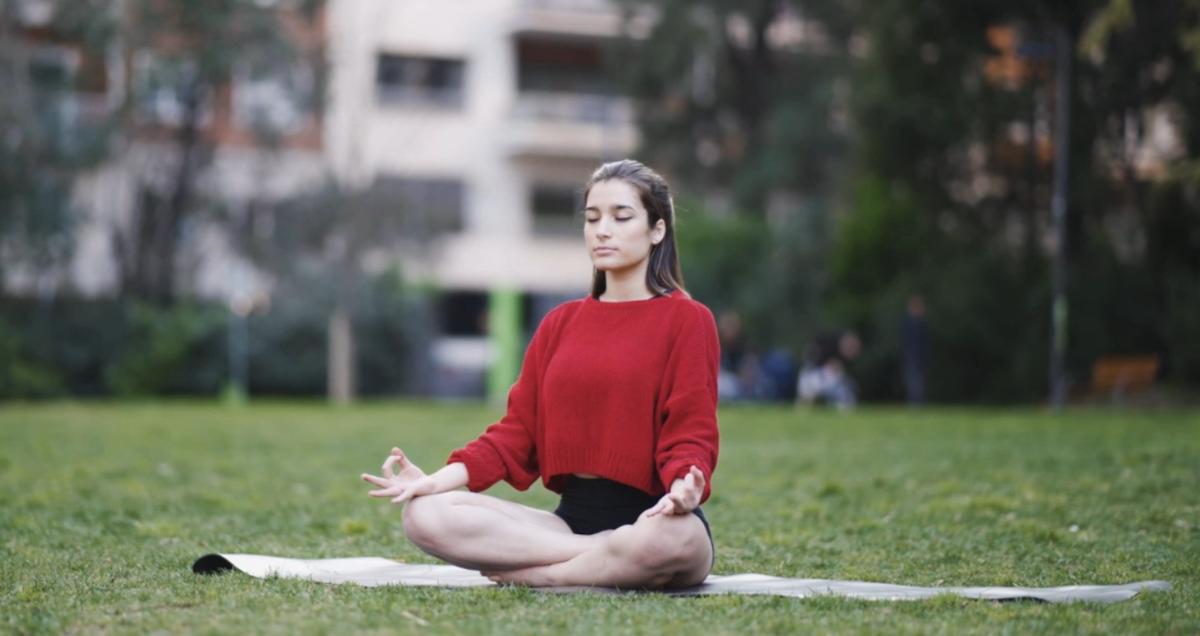
Mindfulness and Meditation: Keys to Managing Anxiety and Boosting Self-Awareness
Key Takeaways:
1. Mindfulness and Meditation Basics
– Mindfulness is about being present and observing thoughts without judgment
– Meditation helps reduce stress, increase self-awareness, and improve concentration
– Both practices complement each other and can be combined for better results
2. Core Practices
– Focused attention meditation
– Body scan techniques
– Mindful walking and eating
– Loving-kindness meditation
– Visualization exercises
3. Getting Started
– Start with short sessions and gradually increase duration
– Choose a consistent time and quiet space
– Use a timer to stay focused
– Experiment with different techniques
– Be patient with progress
4. Integration into Daily Life
– Practice mindful breathing during breaks
– Incorporate body scanning throughout the day
– Practice mindful eating during meals
– Take regular digital detox breaks
– Join communities for support
Mindfulness and Meditation
Mindfulness and meditation are powerful tools for managing anxiety and enhancing self-awareness. Let’s explore how these practices work:
Mindfulness: The Art of Being Present
Mindfulness is about focusing your attention on the present moment without judgment. It involves:
• Observing thoughts and feelings: Becoming aware of your mental and emotional states without getting caught up in them.
• Body awareness: Paying attention to physical sensations to ground yourself in the present.
• Acceptance: Acknowledging thoughts and feelings without trying to change or suppress them.
By consistently practicing mindfulness, you develop a greater understanding of your thoughts and emotions. This self-awareness empowers you to identify patterns, triggers, and coping mechanisms for anxiety.
Meditation: Calming the Mind
Meditation is a practice that involves training your mind to focus and redirect your thoughts. It helps:
• Reduce stress and anxiety: By calming the mind and body, meditation can significantly lower anxiety levels.
• Increase self-awareness: Regular meditation allows you to observe your thoughts and emotions without judgment, leading to deeper self-understanding.
• Improve concentration: By training your mind to focus, meditation enhances your ability to concentrate and be present.
Meditation techniques vary, but common practices include:
• Focused attention: Directing your attention to a specific object, such as your breath or a mantra.
• Open monitoring: Observing your thoughts and feelings without judgment.
• Loving-kindness meditation: Cultivating feelings of kindness and compassion towards yourself and others.
Combining Mindfulness and Meditation
Mindfulness and meditation often go hand-in-hand. By incorporating both practices into your routine, you can experience a profound shift in your ability to manage anxiety and increase self-awareness.
Incorporating Mindfulness and Meditation into Daily Life
Integrating mindfulness and meditation into your daily routine might seem challenging at first, but with consistency, it becomes a natural part of your day. Here are some practical tips:
Creating a Mindfulness and Meditation Routine
• Choose a consistent time: Dedicate a specific time each day for your practice. Early morning or before bed can be ideal.
• Start small: Begin with short sessions, gradually increasing the duration as you become more comfortable.
• Find a quiet space: Create a peaceful environment where you won’t be disturbed.
• Use a timer: Set a timer to help you stay focused and avoid distractions.
• Experiment with techniques: Try different meditation and mindfulness techniques to find what works best for you.
Mindfulness Throughout the Day
• Mindful breathing: Take short breaks throughout the day to focus on your breath.
• Body scan: Pay attention to your body’s sensations during various activities.
• Mindful eating: Savor each bite and focus on the taste and texture of your food.
• Mindful walking: Pay attention to your senses as you walk, noticing the sights, sounds, and smells around you.
• Digital detox: Take breaks from screens to reduce mental overload. Overcoming Challenges
• Be patient: It takes time to develop a regular mindfulness and meditation practice.
• Don’t be discouraged: It’s normal to have wandering thoughts. Gently bring your attention back to your focus.
• Find a community: Join a mindfulness or meditation group for support and inspiration.
• Use mindfulness apps: Explore apps like Headspace, Calm, or Insight Timer for guided meditations and resources.
Remember: The goal isn’t perfection, but progress. Even a few minutes of mindfulness or meditation each day can make a significant difference in your overall well-being.

Exploring Mindfulness and Meditation Techniques
Let’s delve into some specific mindfulness and meditation techniques. We’ll cover a mix of beginner-friendly and more advanced practices. Mindfulness Techniques
• Body Scan Meditation: This involves bringing your attention to different parts of your body, noticing sensations without judgment. It helps to increase body awareness and relaxation.
• Mindful Walking: This simple practice involves focusing on the sensations of walking, such as the feel of your feet on the ground, the rhythm of your breath, and the sights and sounds around you.
• Mindful Eating: This involves paying close attention to the experience of eating, from the appearance and aroma of the food to the taste and texture. It helps to cultivate gratitude and reduce mindless eating.
Meditation Techniques
• Focused Attention Meditation: This involves concentrating on a single point of focus, such as your breath or a mantra. It helps to improve concentration and reduce distractions.
• Loving-Kindness Meditation: This practice involves cultivating feelings of warmth, kindness, and compassion towards yourself and others. It can help to reduce stress and improve relationships.
• Visualization Meditation: This technique involves creating mental images of peaceful or inspiring scenes. It can help to reduce anxiety and promote relaxation.
Guided Meditation Scripts and Resources
Disclaimer: While I can provide a basic script, it’s essential to remember that personal guidance from a trained meditation teacher, like Joe Dispenza, can offer a deeper and more tailored experience.
A Simple Grounding Meditation Script
Introduction: Find a comfortable seated position with your back straight. Gently close your eyes or allow your gaze to soften. Take a few deep breaths, inhaling and exhaling slowly.
Body Scan: Begin to bring your attention to your body. Notice the sensations in your feet, feeling the ground beneath you. Gradually move your awareness up your legs, your torso, your arms, and your head. Observe any sensations without judgment.
Breathing: Focus on your breath. Notice the rise and fall of your chest. Each inhale, a fresh breath of life; each exhale, releases tension.
Mindfulness: Let thoughts come and go without attaching to them. Simply observe them like clouds passing through the sky. Return your focus to your breath.
Conclusion: Gently open your eyes when you feel ready. Take a moment to ground yourself before returning to your day.
Online Resources for Guided Meditations
Many online platforms offer a wealth of guided meditations. Here are a few popular options:
• Meditation Apps: Headspace, Calm, Insight Timer, and Smiling Mind provide a variety of guided meditations for different needs and experience levels.
• YouTube: Numerous channels offer free guided meditations. Search for specific themes or lengths to find what suits you.
• Meditation Websites: Websites like Mindfulness Exercises and PositivePsychology.com offer downloadable scripts and audio recordings.
Remember, the key to effective meditation is regular practice. Start with short sessions and gradually increase the duration as you become more comfortable.
Frequently Asked Questions
Q1: How long should I meditate each day?
A: Start small with just a few minutes and gradually increase the duration as you become more comfortable. There’s no strict requirement – consistency is more important than length.
Q2: What if I can’t stop my thoughts during meditation?
A: It’s normal to have wandering thoughts. The goal isn’t to stop thinking but to observe thoughts without judgment and gently return your focus to your breath or chosen point of attention.
Q3: When is the best time to practice meditation?
A: Early morning or before bed are popular times, but the best time is when you can consistently practice without interruption.
Q4: Do I need special equipment or space to meditate?
A: No, you only need a quiet, comfortable space. While some people use meditation cushions or apps, they’re optional.
Q5: How long does it take to see benefits from mindfulness and meditation?
A: Benefits can be felt from the very first session, but sustainable changes typically develop with regular practice over weeks or months.
Q6: Can I practice meditation if I’m not spiritual or religious?
A: Yes, meditation and mindfulness are secular practices that can benefit anyone regardless of their beliefs.
Q7: How can I stay consistent with my practice?
A: Set a regular schedule, start small, use meditation apps for guidance, and join a community or group for accountability and support.