Three Levels of Awareness - Unconcious, Preconscious, and Conscious Minds
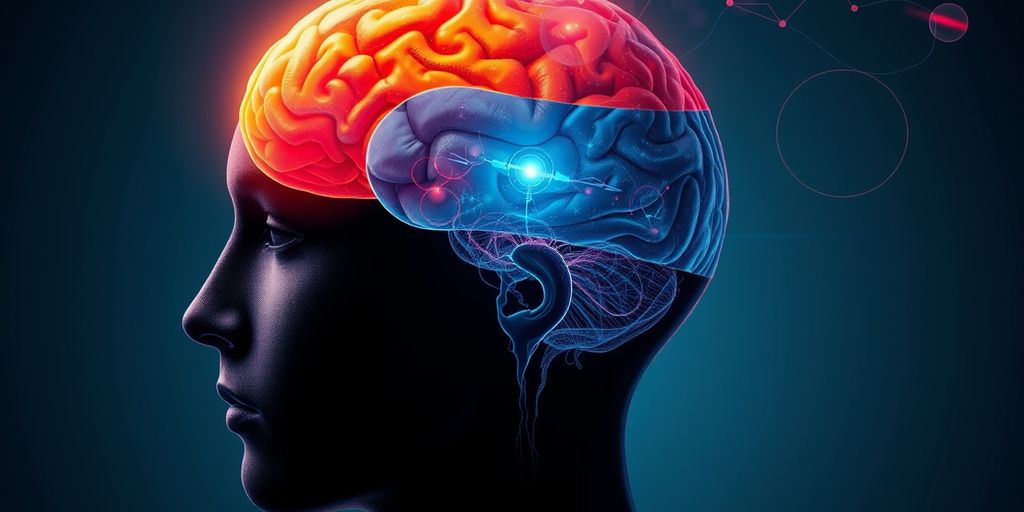
Have you ever wondered why you sometimes act without thinking or why certain memories pop up out of nowhere? This happens because our minds have different levels of awareness. Sigmund Freud, a famous psychologist, explained that our minds are like icebergs. The part you see above the water is like our conscious mind, where we are aware of our thoughts and surroundings. Just below the surface is the preconscious mind, where we store memories and knowledge. Deep down, hidden beneath the water, is the unconscious mind, where we keep our deepest desires and fears. Let’s explore these three levels of awareness to understand how they shape our behavior and emotions.
Key Takeaways
-
-
- The unconscious mind holds hidden desires and fears that influence our behavior without us knowing.
-
- The preconscious mind stores memories and knowledge that we can bring to our conscious mind when needed.
-
- The conscious mind is where we know our thoughts, feelings, and surroundings.
-
- These three levels of awareness interact with each other and affect our daily lives and decisions.
- Understanding these levels can help improve mental health and self-awareness.
-
Understanding the Unconscious Mind
Definition and Characteristics
The unconscious mind is a part of our psyche that holds thoughts, memories, and desires that are not in our conscious awareness. These elements are often repressed because they are too distressing to face. The unconscious is irrational and emotional, lacking a sense of reality.
Role in Behavior
The unconscious mind significantly influences our behavior. It contains deep-seated feelings and memories that shape our actions, even though we are not aware of them. For instance, defense mechanisms like repression and denial are ways our unconscious mind protects us from anxiety.
Influence on Emotions
Our emotions are heavily impacted by the unconscious mind. Feelings that are too painful or embarrassing to acknowledge are stored here. These hidden emotions can affect our mood and reactions without us realizing it.
Exploring the Preconscious Mind
Definition and Function
The preconscious mind is a layer of the mind that lies between the conscious and unconscious. It contains thoughts and feelings that are not currently in our awareness but can be easily brought to consciousness. Think of it as a mental waiting room where ideas sit until they catch the eye of the conscious mind.
Accessing Preconscious Thoughts
Accessing thoughts from the preconscious mind is like recalling a memory that isn’t immediately on your mind. For example, you might not be thinking about your phone number right now, but you can remember it quickly when needed. This ability to pull information into awareness is what makes the preconscious unique.
Impact on Decision Making
The preconscious mind plays a significant role in decision-making. It stores experiences and knowledge that can influence our choices without us being fully aware of it. For instance, past experiences stored in the preconscious can subtly guide our decisions, even if we don’t realize it at the moment.
The Nature of the Conscious Mind
Definition and Awareness
The conscious mind is the part of our mind that we are aware of at any given moment. It includes everything we are currently thinking about or experiencing. For example, you might be aware of the words you’re reading right now or the sound of music playing in the background. This level of awareness is like the tip of an iceberg, with the unconscious mind lying beneath the surface.
Role in Daily Life
Our conscious mind plays a crucial role in our daily activities. It helps us make decisions, solve problems, and interact with the world around us. When we receive information from our senses, we analyze it and make choices based on that information. This process is essential for navigating our environment and performing everyday tasks.
Connection to Rational Thinking
The conscious mind is closely linked to rational thinking. It allows us to process information logically and make reasoned decisions. This level of awareness is what we use when we need to think critically or solve complex problems. In essence, the conscious mind is our primary tool for engaging with the world in a thoughtful and deliberate way.
Interactions Between the Three Levels
How They Influence Each Other
The three levels of the mind—unconscious, preconscious, and conscious—are constantly interacting. Each level affects the others in unique ways. For example, unconscious thoughts can influence conscious behavior without us even realizing it. Similarly, preconscious memories can be brought into the conscious mind when needed, affecting our decisions and actions.
Examples in Everyday Life
Consider a situation where you suddenly feel anxious without knowing why. This could be due to an unconscious memory surfacing. On the other hand, when you try to remember a name and it feels like it’s on the “tip of your tongue,” you’re accessing your preconscious mind. These examples show how the different levels of the mind work together in daily life.
Implications for Mental Health
Understanding these interactions can be crucial for mental health. Therapists often work to bring unconscious thoughts to the conscious level to help people deal with issues like anxiety and depression. By recognizing how these levels interact, we can better understand our own behaviors and emotions.
Theories and Models of Mind
Freudian Perspective
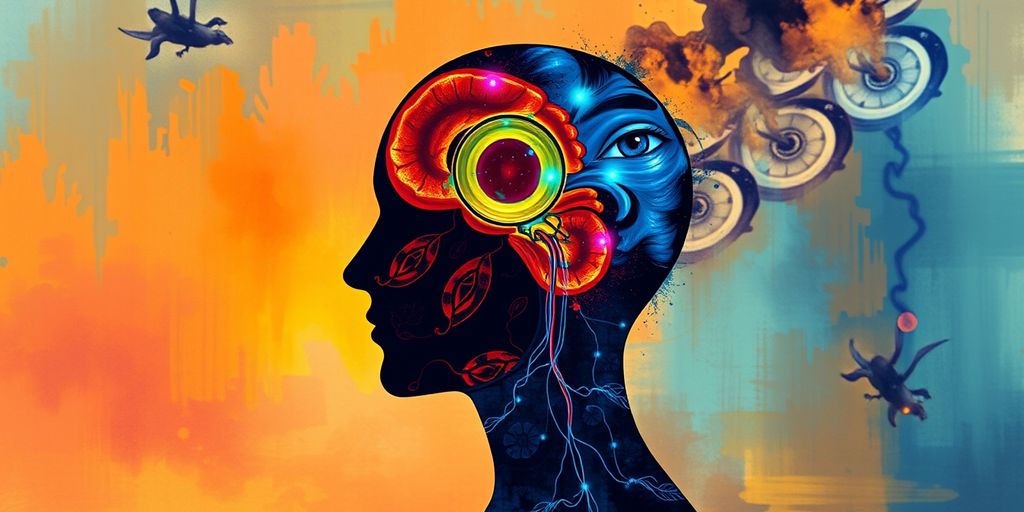
Sigmund Freud, a famed psychoanalyst, introduced a model of the mind that includes three levels: the conscious, preconscious, and unconscious. He used the iceberg analogy to explain these levels. The conscious mind is like the tip of the iceberg, visible and above water. The preconscious lies just below the surface, holding memories that can be easily accessed. The unconscious, the largest part, is hidden deep below and contains desires and memories that influence behavior without us knowing.
Cognitive Psychology Insights
Cognitive psychology offers a different view, focusing on how we process information. It looks at how we perceive, remember, and solve problems. This field studies mental processes like attention, language use, and memory. Unlike Freud’s model, cognitive psychology doesn’t emphasize hidden desires but rather how we handle and use information.
Modern Interpretations
Modern theories combine elements from both Freudian and cognitive perspectives. They explore how different levels of awareness interact and affect our thoughts and actions. These theories aim to provide a more comprehensive understanding of the mind, considering both unconscious influences and conscious processing.
Practical Applications of Awareness Levels
Therapeutic Techniques
Therapists use the three levels of awareness to help people understand their thoughts and feelings. By exploring the unconscious mind, therapists can uncover hidden emotions and memories that affect behavior. Techniques like free association and dream analysis are often used to access these deep layers of the mind.
Mindfulness Practices
Mindfulness helps people become more aware of their thoughts and feelings in the present moment. This practice can bring preconscious thoughts into conscious awareness, allowing individuals to better understand their mental processes. Simple activities like deep breathing and meditation are common mindfulness techniques.
Enhancing Self-Awareness
Understanding the different levels of awareness can help people become more self-aware. By recognizing how the unconscious, preconscious, and conscious minds interact, individuals can make more informed decisions and improve their emotional well-being. Journaling and self-reflection are effective ways to enhance self-awareness.
Recognizing the different levels of awareness can lead to better mental health and personal growth.
Cultural Perspectives on Mind Awareness
Eastern vs. Western Views
Eastern and Western cultures have distinct views on mind awareness. In Eastern traditions, such as Buddhism and Hinduism, the mind is often seen as a tool for achieving higher states of consciousness and enlightenment. Meditation and mindfulness practices are central to this approach. In contrast, Western perspectives, influenced by thinkers like Freud, often focus on the mind’s role in behavior and mental health. These differences highlight how culture shapes our understanding of the mind.
Impact of Culture on Perception
Culture significantly affects how we perceive and interpret our mental experiences. For instance, in some cultures, dreams are considered important messages from the unconscious, while in others, they are seen as mere byproducts of brain activity. This cultural lens influences not only personal beliefs but also psychological practices and therapies.
Historical Context
The historical context of a culture also plays a crucial role in shaping its views on mind awareness. Ancient Greek philosophers like Plato and Aristotle laid the groundwork for Western thought, emphasizing rationality and logic. Meanwhile, ancient Eastern philosophies have long focused on the interconnectedness of mind, body, and spirit. Understanding these historical roots helps us appreciate the diverse perspectives on mind awareness today.
The way we understand our minds is deeply influenced by our cultural background, shaping not only our personal beliefs but also our approaches to mental health and well-being.
Conclusion
In summary, understanding the three levels of awareness—conscious, preconscious, and unconscious—helps us grasp how our minds work. The conscious mind is like the tip of an iceberg, where we are aware of our thoughts and surroundings. Just below the surface is the preconscious, holding memories and knowledge that we can bring to mind when needed. Deep below, the unconscious mind stores our hidden desires and feelings, influencing our behavior in ways we might not realize. By exploring these levels, we can better understand ourselves and why we act the way we do.
Frequently Asked Questions
What are the three levels of the mind according to Freud?
Freud identified three levels of the mind: the conscious, preconscious, and unconscious. The conscious mind contains thoughts and feelings we are aware of. The preconscious holds information that can be easily recalled. The unconscious houses deep-seated memories and desires that influence behavior.
How does the unconscious mind affect behavior?
The unconscious mind can affect behavior in many ways. It can influence our actions through hidden memories, desires, and feelings that we are not aware of, often leading to unexpected reactions and behaviors.
What is the preconscious mind?
The preconscious mind stores information that is not currently in our conscious thoughts but can be brought into awareness when needed. It’s like a mental waiting room for memories and knowledge.
How can someone access their preconscious thoughts?
Accessing preconscious thoughts can be done through reflection, meditation, or therapeutic techniques like free association, where one speaks freely to uncover hidden memories and thoughts.
What role does the conscious mind play in daily life?
The conscious mind is involved in our active thinking and decision-making processes. It helps us navigate daily tasks, make choices, and interact with our environment and others.
How do the three levels of the mind interact with each other?
The three levels of the mind constantly interact. For instance, unconscious desires can influence conscious decisions, and preconscious memories can be triggered and brought to the conscious mind. This dynamic interaction shapes our behaviors and experiences.
We’ve explored the fascinating layers of human consciousness and how they shape our daily lives and behaviours.
Now we’d love to hear about your experiences with these different levels of awareness. Have you ever had a moment where you suddenly understood why you reacted a certain way or discovered an unconscious pattern in your behaviour?
Share your thoughts and insights in the comments below. Your unique perspective could help others better understand their minds, and we can all learn from each other’s experiences in this journey of self-discovery.
Join the conversation and let us know what resonated most with you from this exploration of consciousness!