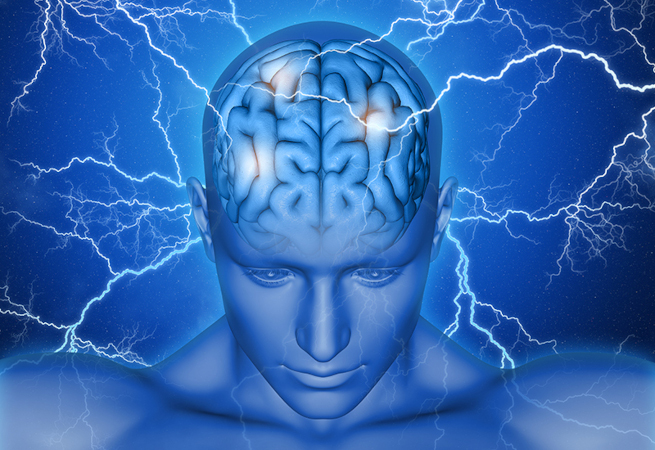
What is the power of the mind?
Key Takeaways
1. Mind-Body Connection: The mind has a profound influence on physical health and well-being, demonstrated through phenomena like the placebo effect.
2. Conscious vs. Subconscious: The mind operates on two levels:
– Conscious: Handles active awareness, logical thinking, and decision-making
– Subconscious: Manages automatic functions, habits, and deep-seated beliefs
3. Mental Practices: Regular practices like mindfulness, meditation, and visualization can enhance mental well-being and achieve personal goals.
4. Psychological Impact: The mind influences behavior, emotions, and cognitive processes, playing a crucial role in shaping our perception of reality.
5. Self-Development: Understanding and harnessing the mind’s power is essential for personal growth, emotional resilience, and achieving goals.
Intro
The power of the mind refers to the capacity of the human brain to influence various aspects of our lives. This includes our thoughts, emotions, behaviours, and even our physical well-being.
While the exact extent and limits of the mind’s power are not fully understood, research suggests that the mind has a profound impact on our perception, cognition, and overall health.
The power of the mind is often associated with concepts such as mindfulness, visualization, and the placebo effect, which demonstrate the mind’s ability to affect our experiences and outcomes.
Studies have shown that practising mindfulness can lead to reduced stress, improved focus, and enhanced emotional well-being. Visualization techniques have been linked to improved athletic performance and goal achievement.
The placebo effect highlights the mind’s ability to trigger physiological changes in the body. This can lead to improved health, or relief from symptoms, even in the absence of actual medical treatment.
This phenomenon underscores the mind’s power and influence on the body’s healing processes. This then shows a clear connection between your mental and physical health.
Overall, the power of the mind reflects the intricate relationship between our thoughts, emotions, and behaviours.
Emphasizing the importance of cultivating a positive mindset. You can harness the mind’s potential to promote overall well-being and personal growth.
In Two Minds

We need emotions and empathy. The mind plays a crucial role in experiencing and understanding emotions. It enables us to empathize with others, form connections, and build meaningful relationships. Which are essential for our personal growth and social interactions.
It also allows critical thinking and problem solving. This enables us to analyze complex situations, identify patterns, and formulate effective strategies to solve problems. Facilitating logical reasoning, decision-making, and the ability to assess situations from different perspectives.
The mind and body connection can not be underestimated. The power of the mind, has a profound influence on the body. It impacts our physical health, well-being, and overall quality of life. Practices such as mindfulness and meditation have shown the power of the mind in promoting emotional resilience, and stress reduction.
Self-reflection and personal grow allows us to reflect on our thoughts, behaviors, and experiences. Facilitating personal growth and self-improvement. It can empower us to set goals, develop self-awareness, consciousness, and help towards becoming the best version of ourselves.
Understanding, being aware, of the power of the mind can encourage us to cultivate positive mental habits. Help us to engage in activities that promote mental well-being, in an effort to get closer to the full potential of our mind.
What is the difference between your conscious mind and your subconscious mind?
The subconscious mind and the conscious mind are two distinct components of the human mind. They play critical roles in shaping your thoughts, behaviors, and experiences.
The conscious mind is associated with your immediate awareness and focus. It involves your thoughts, feelings, perceptions, and sensations that you are actively aware of at any given moment.
In contrast, the subconscious mind operates below the level of conscious awareness, influencing our behavior and experiences, often without your conscious knowledge.
The conscious mind is responsible for your logical thinking, decision-making, and rationalizing. It is where you actively process information, solve problems, and make conscious choices. The subconscious mind, on the other hand, handles automatic functions, habits, emotions, and long-term memory storage without requiring conscious effort.
While the conscious mind allows you to exert deliberate control over our actions and responses, the subconscious mind exerts a significant influence on our behaviors, beliefs, and attitudes. Often shaping them based on past experiences, conditioning, and deep-seated beliefs.
Accessing the conscious mind is relatively straightforward, as it involves our immediate awareness and cognitive processes. In contrast, tapping into your subconscious mind often requires specific techniques. This could be through hypnosis, meditation, or deep introspection. All to uncover any buried memories, emotions, or patterns of behavior.
The conscious mind processes information relatively slowly. Compared to the subconscious mind, which can swiftly influence your behavior. This is based on ingrained patterns, learned responses, and emotional conditioning.
Understanding the interplay between your conscious and subconscious mind is crucial for your personal development. It allows you to recognize how deeply rooted beliefs and past experiences can impact present behavior, and decision-making processes. This awareness can facilitate personal growth, behavioral changes, and the cultivation of positive thought patterns.
Your Mind is a Powerful Thing
Your mind is a powerful and complex tool that plays a crucial role in shaping your perceptions, experiences, and actions. It is rarely used to its full potential.
The mind perceives and interpret the world around us. It filters information, processes it, and constructs our perception of reality, based on our experiences, beliefs, and biases.
Your mind has the capacity to store, retain, and recall vast amounts of information. It enables you to learn from past experiences, adapt to new situations, and make informed decisions based on what we have learned.
Imagination and Creativity help us to imagine possibilities beyond our current realities. It fuels creativity, helping development of new ideas, concepts, and solutions to our various challenges in life.

The Power of the Mind in Psychology.
The concept of the power of the mind in psychology refers to the understanding that the human mind has a significant influence on our various aspects of human behavior.
Such as cognition, emotions, and overall well-being. This concept encompasses a range of psychological theories and perspectives that highlight the ways in which thoughts, beliefs, attitudes, and perceptions can impact an individual’s experiences and actions.
Some key aspects related to the power of the mind in psychology include the
Cognitive process. Cognitive psychology explores how mental processes such as perception, memory, thinking, and problem-solving can influence behavior and emotions. This field emphasizes how the mind shapes an individual’s understanding of the world, and how they interpret and respond to different situations.
The power of the mind is often discussed in relation to the mind-body connection, which highlights the interplay between psychological factors and physical health. Research in this area suggests that psychological states, such as stress, can impact physical health and vice versa. Again, techniques such as mindfulness, meditation, and relaxation exercises, can promote overall well-being.
Psychologists often study the impact of self-beliefs and motivation on goal attainment and performance. The concept of self-efficacy, proposed by Albert Bandura, emphasizes how individuals’ beliefs in their own abilities can significantly influence their behavior. Not to mention their choices, and perseverance in the face of challenges.
Your mind is also evident in the field of emotion regulation. This examines how individuals manage and control their emotional experiences. Strategies such as cognitive reappraisal and mindfulness-based interventions underscore the role of the mind in shaping emotional responses to various stimuli.
So overall, the power of the mind in psychology underscores the intricate relationship between mental processes and behavior. Emphasizing the significance of thoughts, beliefs, and attitudes in shaping human experiences and actions. This concept has far-reaching implications for understanding human behavior, promoting mental well-being, and facilitating personal development and growth.

How to use the Power of Your Mind
Using your mind effectively can have a profound impact on various aspects of your life, including your productivity, well-being, and overall success.
Cultivate a positive mindset by focusing on affirmations, gratitude, and optimism. This can help improve your overall outlook on life and enhance your problem-solving abilities.
Practice visualizing your goals and desired outcomes. This can help you create a clear mental image of what you want to achieve and can increase your motivation and focus.
Incorporate mindfulness and meditation practices into your daily routine. These techniques can help you develop a greater sense of self-awareness, reduce stress, and improve your overall well-being.
Clearly define your goals and intentions to give your mind a specific direction to work towards. This can help you stay focused and motivated, making it easier to achieve your desired outcomes.
Use positive self-talk and affirmations to boost your self-confidence and self-esteem. Remind yourself of your strengths and capabilities to overcome self-doubt and build a strong sense of self-belief.
Use the power of your mind to overcome physical challenges and push yourself beyond perceived limits. Develop mental resilience and determination to achieve your desired physical goals.
Engage in creative activities such as creative visualization and imagination to stimulate your mind and enhance your problem-solving skills.
Foster a growth mindset by continuously seeking knowledge and learning from your experiences. Embrace challenges as opportunities for growth and development.
Practice emotional regulation by being aware of your emotions and developing strategies to manage them effectively. This can help you make more rational decisions and maintain a sense of inner peace.
Set specific, achievable goals and create a well-defined plan to reach them. Break down your goals into smaller, manageable tasks to make progress more achievable and trackable.
Remember that harnessing the power of your mind is a continual practice that requires patience, dedication, and self-awareness. By incorporating these practices into your daily life, you can unlock more of your true potential and achieve greater success and fulfilment.

Can Your Thoughts Create Your Reality?
The concept that your thoughts can influence your reality is a central idea in various philosophical and psychological schools of thought. This is the whole concept behind The Secret and The Law of Attraction.
While people may argue there is no concrete scientific evidence to fully support the idea, your thoughts do have direct effect on how you create your reality.
There has been some research that does indicate, and in fact has shown, that a positive mindset, and attitude can lead to a more positive result. Leading to increased resilience in the face of any life challenges.
In psychology, there is a phenomenon called the “self-fulfilling prophecy,” where one’s beliefs about oneself or a situation can impact one’s behavior, ultimately leading to the fulfillment of those beliefs.
Furthermore, the field of positive psychology emphasizes the importance of cultivating positive emotions, thoughts, and behaviors. This will enhance your overall quality of life and well-being. Again, and we will keep saying this, practices such as mindfulness, gratitude, and positive affirmations are ways to cultivate a more positive mindset.
But we do have to acknowledge and maintain a balanced perspective that external factors and circumstances, often beyond our control can significantly influence our reality. While positive thinking can contribute to an optimistic outlook and potentially open up opportunities, it may not directly dictate the events or outcomes in our lives in the short term.
While it may not be accurate to say that thoughts alone can completely create one’s reality, the way we perceive and interpret the world can significantly shape our experiences and reactions to it. Adopting a positive and proactive mindset can contribute to personal growth, resilience, and overall well-being.
Can I Fully Control My Mind?
Controlling your mind is a complex issue, which takes persistent practice and awareness. Buddhist monks train their minds through meditation practices for years, searching for enlightenment. While I am not suggesting you become a monk, regular practice of meditation, and mindfulness, techniques, will go a long way to controlling your mind chatter.
Life is always going to throw you a curve ball, so achieving complete control over the mind might be over ambitious. But you can enhance your ability to manage your thoughts and emotions effectively.
Regular practice, of meditation, and I mean daily, will help you become more aware of your thoughts and emotions. Becoming conscious of both your thought and feelings, will bring more control to your emotional reactions.
Allowing you to observe your emotions without over reacting. Not making a drama out of a crisis. Mindfulness techniques can help you stay focused on the present moment, reducing stress and promoting emotional balance.
Trying to achieve all this by yourself, is pretty much impossible. So find and use tools to help. There are lots of videos available, free of charge on different meditation techniques. Also investing in a coarse can be worthwhile, speeding up your progress substantially.
Making your own Mind movie, with affirmations, music, video shorts or images, that inspire you, can be an excellent tool for motivation. This can help to program your subconscious mind.
Physical exercise has been shown to have a positive impact on mental well-being. Regular exercise can help reduce stress, improve mood, and enhance overall cognitive function.
Maintaining a healthy lifestyle, including a balanced diet, regular sleep schedule. It goes without saying, avoiding excessive use of drugs and alcohol, can significantly contribute to overall mental well-being.
Cultivating a sense of gratitude can help shift your focus from negative thoughts to positive ones, enhancing your overall outlook on life.
Remember that trying to achieve complete control over the mind might not be an easy goal to achieve. But by incorporating these practices into your daily life, you can significantly improve your ability to manage your thoughts and emotions, and enhance your overall quality of life, which should be the aim for us all.
Frequently Asked Questions
Q1: What is the power of the mind?
A: The power of the mind refers to the brain’s capacity to influence thoughts, emotions, behaviours, and physical well-being through various mental processes and conscious/subconscious functions.
Q2: How does the conscious mind differ from the subconscious mind?
A: The conscious mind handles immediate awareness and logical thinking, while the subconscious mind manages automatic functions, habits, and stored memories below conscious awareness.
Q3: Can thoughts create reality?
A: While thoughts alone don’t directly create reality, they significantly influence our perceptions, behaviors, and responses to situations, potentially leading to self-fulfilling prophecies and improved outcomes through positive thinking.
Q4: How can someone harness the power of their mind?
A: Through practices such as:
– Regular meditation and mindfulness
– Positive affirmations
– Goal visualization
– Maintaining a healthy lifestyle
– Practising gratitude
– Engaging in physical exercise
Q5: Is it possible to fully control your mind?
A: While complete control may not be achievable, you can significantly improve your ability to manage thoughts and emotions through consistent practice of mindfulness, meditation, and maintaining a healthy lifestyle.