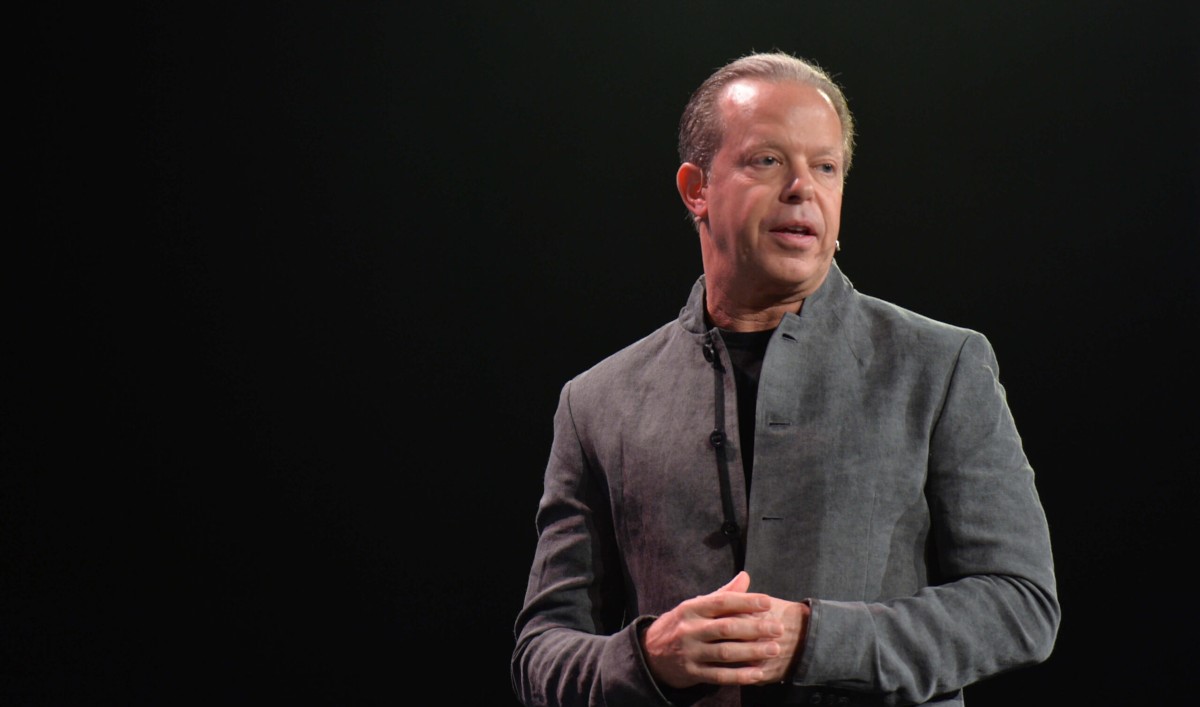
Becoming Supernatural Break Free From Limiting Patterns
The idea of personal change can feel overwhelming. Where do you start? How do you know if it’s working? And why does it so often feel like you’re fighting against yourself?
The answer, according to neuroscientist and researcher Dr Joe Dispenza, lies in the gap between who you think you are and who you are capable of becoming. His work bridges cutting-edge neuroscience with practical mindset tools, and the five steps below are a distillation of that approach.
This isn’t about quick fixes. It’s about rewiring your brain, reclaiming your emotions, and stepping into a new identity one thought and one choice at a time
What You’ll Learn
- How to assess your current reality honestly through self-reflection
- The science behind habit formation and how to break free from limiting beliefs
- Practical strategies for anchoring yourself in the present moment
- How to use mental rehearsal to literally rewire your brain
- Why letting go of the past is the most important step of all
- How to replace self-defeating patterns with empowering actions
Embrace the Power of Self-Reflection
Lasting change begins with one deceptively simple act: being honest with yourself about where you are right now. Not where you wish you were. Not where you used to be. Right now.
Self-reflection means examining your values, your goals, and perhaps most importantly, the obstacles you believe are standing in your way. Are those obstacles truly external, or have you internalised them as part of your identity?
Dispenza emphasises the importance of disconnecting from the constant noise of modern life, phones, notifications, and the relentless scroll to cultivate a genuine awareness of your inner world.
“Take some time out of your busy lives to disconnect from your world. Shut your cellphone off, turn the TV off, and power down your computer. Sit your body down for a few minutes and close your eyes.”
— Dr Joe Dispenza
Even five undistracted minutes of stillness each day can begin to reveal patterns of thought and behaviour you’ve never noticed before because you’ve never slowed down enough to look.
Centre Yourself in the Now
Most of us live in two places at once: replaying the past or rehearsing our anxieties about the future. The present moment — the only place where real change happens gets very little attention.
Neuroscience confirms what meditators have known for centuries: where you place your attention shapes your brain. Repeatedly bringing your focus back to the present creates new neural pathways, making presence itself a habit.
Science Insight
Consistent mindfulness practice has been shown to strengthen the prefrontal cortex, the part of the brain responsible for decision-making and emotional regulation. The more you practise presence, the more resilient your mind becomes.
“Take some breaths and centre yourself. When you centre your attention in the present moment, you have more energy to create with. When your mind wanders to the predictable future or the familiar past, that’s normal. Just become aware of it and keep working on settling yourself back down into the present moment. When you’re in the present moment, you’re the most creative.”
— Dr Joe Dispenza
Don’t judge yourself when your mind wanders it will, and often. The practice is returning. Each time you gently redirect your attention, you’re strengthening the very circuits that make intentional living possible.
Break Free from Limiting Beliefs
Limiting beliefs are the silent saboteurs of personal transformation. Thoughts like “I can’t do this,” “I’ll never change,” or “I’m not smart enough” don’t just discourage you; they literally shape the neural patterns of your brain, reinforcing a self-concept that keeps you stuck.
The first step to dismantling them is simply making them visible. Most limiting beliefs operate below the level of conscious awareness. They’ve been running in the background for years, sometimes decades.
Try This
Write down the three thoughts that arise most often when you consider making a big change. Examine each one: Is this belief true? Where did it come from? What might become possible if you no longer believed it?

“Ask yourself: can I be defined by a vision of the future instead of the memories of the past? When you make your brain fire in new sequences and new patterns and new combinations, that’s the beginning steps of changing your mind. Decide on the emotions you’ll feel when you’ll begin to create that future. Teach your body emotionally what that future’s going to feel like, and don’t get up until you begin to feel those emotions.”
— Dr. Joe Dispenza
The goal is not to suppress limiting beliefs through willpower, but to replace them with something more compelling — a vivid, emotionally resonant vision of who you are becoming.
Visualise and Rehearse Your Future
Your brain doesn’t fully distinguish between a vividly imagined experience and a real one. This isn’t mysticism, it’s neuroscience. When you mentally rehearse an action with emotion and detail, your brain begins to encode it as a real experience, making it easier to execute in reality.
Daily Practice
Each morning, before you reach for your phone, spend 5–10 minutes vividly imagining the person you are becoming. What do they think? How do they move through the world? What decisions do they make? Feel the emotions of that future identity as though it’s already real.
Dispenza calls this mental rehearsal, and it’s the centrepiece of his approach. It’s not daydreaming. It’s deliberate, emotionally engaged practice, and it works.
“Rehearse in your mind who you’re going to be when you open your eyes. The things you have to do, the choices you have to make, the steps you have to take. Review them over and over again.”
Dr. Joe Dispenza
Over time, what you rehearse internally begins to express itself externally in the choices you make, the risks you take, and the person you show up as every day.
Let Go of the Past
This is perhaps the most challenging step and the most liberating. For many of us, the past isn’t just memory; it’s identity. We’ve built our sense of self around our story: what happened to us, who hurt us, what we failed at, who we used to be.
But Dispenza is clear: you cannot step into a new future while you’re carrying the biology of your past. The emotions, habits, and unconscious behaviours rooted in old experiences continue to generate the same reality until you consciously choose otherwise.
The Hard Question
Which stories about yourself are you still telling and who would you be without them? The willingness to ask this question is the beginning of genuine freedom.
“You can’t go to the future holding on to the biology of your past. Decide what thoughts you can bring to your future. Thoughts like, ‘I can’t.’ ‘It’s too hard.’ ‘I’ll never change.’ Just become so conscious of those behaviours that you’ll never go unconscious again. Your personality creates your reality. Your personality is made of how you think, how you act, and how you feel. Change any one of those things, and you change your life.”
Dr. Joe Dispenza
Letting go is not a one-time event. It’s a daily practice of choosing, again and again, to place your energy in the future you’re creating rather than the past you’re leaving behind.
The Path Forward
Transformation doesn’t require a dramatic event or a perfect moment. It requires consistent, intentional practice reflecting honestly, anchoring in the present, challenging old beliefs, rehearsing a new identity, and releasing what no longer serves you.
As Dispenza puts it: how you think, how you act, and how you feel creates your reality. Change any one of those things and everything changes.
Frequently Asked Questions
How do I begin my transformation journey?
Start with self-reflection. Assess where you are now and identify what you truly want to change. Understanding your values and your why will provide the motivation that carries you through the harder moments.
What role do habits play in personal change?
Habits are the infrastructure of transformation. Positive habits reinforce your intentions daily, while old ones quietly pull you back. Cultivating new habits through consistent practice is the foundation of lasting growth, not willpower alone.
How do I overcome limiting beliefs?
First, make them conscious. Write them down. Challenge each one by asking whether it’s actually true — or just familiar. Then replace them with a clear, emotionally vivid vision of who you are becoming. Affirmations and mental rehearsal reinforce this over time.
Why is a growth mindset so important?
A growth mindset reframes obstacles as information rather than evidence of failure. It creates the psychological safety to keep trying — and to see every setback as a step in the process rather than proof that change isn’t possible for you.
How do I stay consistent when motivation fades?
Motivation is a feeling unreliable by nature. What sustains change is identity. When you begin to see yourself as someone who practises these steps, consistency follows naturally. Start small, celebrate small wins, and remember your why when it gets difficult.
