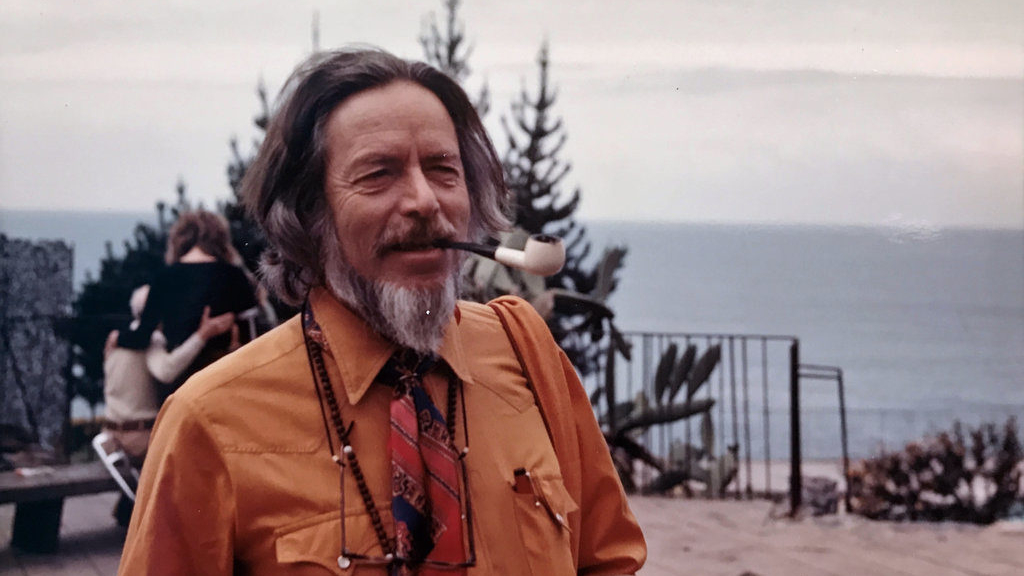
Alan Watts The Freedom of Being

In a world that constantly tells us to strive, improve, and become something more, Alan Watts offered a radically different message: you are already it.
His timeless teachings remind us that true freedom doesn’t come from chasing perfection but from realising the perfection that’s already here within us and all around us.
Whether you’re on a journey of spiritual awakening or simply seeking more peace in everyday life, Watts’ words invite us to pause, breathe, and rediscover the effortless joy of simply being.
Key Takeaways
Core Philosophy
- You are already complete. True freedom comes from realising inherent perfection rather than chasing external achievement
- Surrender is wisdom, not weakness. Trusting life’s deeper intelligence releases anxiety and resistance
- Present moment awareness. Life is a dance to be experienced now, not a destination to reach later
- Flow over control. Like water, we find peace by moving with life’s natural rhythm instead of forcing outcomes
Who Was Alan Watts?
- British philosopher, writer, and spiritual teacher (1915-1973)
- Bridged Eastern philosophy (Zen Buddhism, Taoism, Hinduism) with Western understanding
- Author of influential works: The Way of Zen, The Wisdom of Insecurity
- Made complex spiritual concepts accessible through humour and clarity
Central Teachings
- The illusion of control creates suffering. Resisting uncertainty and demanding specific outcomes generates tension and anxiety
- Being vs. becoming. Stop trying to become something; recognise you already are everything you seek
- Interconnection over separation. We are all waves on the same ocean; division is an illusion
- Action from alignment. True freedom means acting from inner peace rather than fear-driven hustle
Modern Relevance
- Counterbalance to productivity culture and constant striving
- Message resonates across digital platforms (YouTube, podcasts, social media)
- Offers an antidote to societal division and disconnection
- Timeless wisdom for mental health, mindfulness, and spiritual awakening
Who Was Alan Watts?
Alan Watts (1915–1973) was a British philosopher, speaker, and writer. Best known for translating Eastern philosophies such as Zen Buddhism, Taoism, and Hinduism into a language the Western world could easily understand.
His talks and books, including The Way of Zen and The Wisdom of Insecurity, became gateways for millions to explore spirituality beyond religion.
Watts had a gift for blending humour with profound truth. He wasn’t trying to convert anyone; instead, he invited people to question their assumptions about life, identity, and the universe.
The Illusion of Control
One of Watts’ most powerful insights was his reminder that much of our suffering comes from trying to control what can’t be controlled.
We push against the natural flow of life, resisting uncertainty, demanding outcomes, and fearing change.
Watts suggested that this struggle is the root of anxiety. When we fight reality, we create tension.
But when we allow life to unfold as it is without forcing it, peace returns.
He often used the metaphor of water: soft, yielding, and yet unstoppable. “You don’t resist the river,” he said, “you learn to flow with it.”
The Power of Surrender
To Watts, surrender wasn’t weakness; it was wisdom. He taught that surrender means trusting the deeper intelligence of life rather than clinging to our limited sense of control.
This doesn’t mean giving up on action or goals. It means acting from a place of inner alignment instead of fear.
When we surrender, we move in harmony with life’s rhythm instead of fighting against it.
In today’s world, where productivity and “hustle culture” dominate, his message feels more relevant than ever. Freedom isn’t about doing more; it’s about being more present.
Living Fully in the Present Moment

Alan Watts often asked his listeners to notice the absurdity of chasing the future at the expense of now. “You can’t live at all,” he said, “unless you can live fully now.”
He reminded us that life isn’t a journey toward a destination, it’s a dance, meant to be enjoyed in each step.
The past is memory, the future is imagination; all that truly exists is this present breath.
When we live in the moment, we stop trying to become something and start realising that we already are everything we were searching for.
Why His Wisdom Still Matters Today
Even decades after his passing, Alan Watts’ voice continues to inspire millions across YouTube, podcasts, and social media.
His lectures are remixed into music, quoted in meditations, and shared by people who resonate with his clear yet mystical view of life.
In a time when the world feels divided, his teachings remind us that separation is an illusion that we are all waves on the same ocean of being.
The freedom Watts spoke of isn’t found in escape, success, or achievement. It’s found in realising our inseparable connection to everything that is.
A Gentle Invitation

Perhaps that’s the essence of Alan Watts’ message: stop striving, and start seeing.
Life isn’t a problem to solve, it’s a miracle to experience.
So take a deep breath. Feel your heartbeat. Notice the sounds around you. You are not apart from life; you are life itself.
And in that realisation, the freedom of being is already yours.
Frequently Asked Questions
Q. What is Alan Watts’ main teaching about freedom?
Alan Watts taught that true freedom comes from realising you are already complete, not from achieving external goals or becoming something different. Freedom is found in being present and recognising your inherent connection to all of life.
Q. How does Alan Watts define surrender?
Watts defined surrender as trusting the deeper intelligence of life rather than clinging to limited personal control. It’s not about giving up, but about acting from inner alignment instead of fear, allowing you to flow with life’s natural rhythm.
Q. What does “living in the present moment” mean in Alan Watts’ philosophy?
Living in the present moment means recognising that life exists only now – the past is memory and the future is imagination. Watts emphasised experiencing life as a dance rather than a journey toward a destination, finding fulfilment in each present breath.
Q. Why is Alan Watts still relevant today?
Watts’ teachings remain relevant because they offer a counterbalance to modern hustle culture, anxiety, and disconnection. His message about presence, surrender, and interconnection addresses contemporary struggles with productivity pressure, mental health, and societal division.
Q. What is the “illusion of control” according to Alan Watts?
The illusion of control refers to our tendency to resist uncertainty and demand specific outcomes, which creates suffering and anxiety. Watts taught that fighting against life’s natural flow generates tension, while acceptance and flowing with change bring peace.
Q. How did Alan Watts make Eastern philosophy accessible?
Watts translated complex Eastern concepts (Zen Buddhism, Taoism, Hinduism) into relatable Western language using humour, metaphors, and everyday examples. He never tried to convert people but invited them to question assumptions about life, identity, and reality.
Q. What does “you are already it” mean?
“You are already it” means you don’t need to become anything or achieve perfection; you already possess everything you’re seeking. This realisation frees you from endless striving and allows you to experience the inherent completeness of your being.
Q. How can we apply Alan Watts’ teachings to daily life?
Apply his teachings by practising presence, releasing the need to control outcomes, and surrendering to life’s flow. Notice when you’re resisting reality, breathe deeply, and recognise your connection to the present moment rather than constantly chasing future goals.

